


Federal politics gets plenty of airtime in Malaysia. Sabah politics, meanwhile, can feel like it is playing an entirely different game. Anwar loses control of Sabah and that is one fact that sounds like a simple political headline. But the 2025 state election showed why that explanation is too shallow. GRS won 29 of the 73 seats, while Warisan secured 25, putting local political forces firmly at the center of the result. And honestly, that makes sense when you look at what voters actually deal with. Roads, water, electricity, development, state rights, and local representation are not abstract ideas. They affect daily life. A national party can have a massive presence in Kuala Lumpur, but Sabah has its own political calculations.
Local Parties Understand Local Priorities

GRS and Warisan are closely connected to Sabah’s political landscape. Their campaigns can focus on issues that feel immediate to people living in the state. That gives local parties a useful advantage when elections become a conversation about what is happening on the ground. Think about it this way. A political slogan might look great on a billboard, but voters still have to drive home on the same road afterward. Local parties can put state-specific concerns at the front of the conversation. That can make their message feel more directly connected to everyday life.
Sabah Has Its Own Political Identity
Sabah also has a strong regional identity that influences its politics. Questions about autonomy, state rights, and Sabah’s relationship with the federal government have remained important parts of political discussion. Local parties can build their campaigns around those concerns because they are directly tied to the state’s place within Malaysia. That does not mean Sabah voters all think alike. The 2025 election proved how fragmented the political field could become. A total of 596 candidates contested 73 seats, with independents also playing a noticeable role. When that many candidates enter the race, personalities, local networks, and constituency-level issues can become extremely important.
Federal Power Does Not Guarantee Local Support
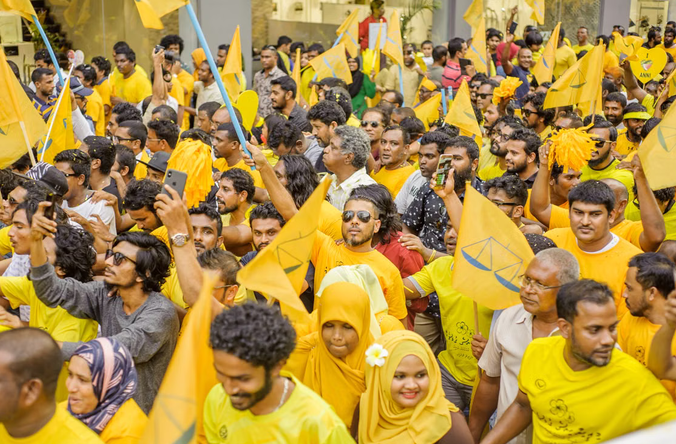
National parties’ performance in Sabah is another piece of the puzzle. Pakatan Harapan contested 22 seats but won just one. Meanwhile, GRS and Warisan captured most of the available seats. That gap shows that federal political influence does not automatically translate into state-level support. Anwar Ibrahim also acknowledged that development concerns and perceptions surrounding the federal government may have affected the result. Issues such as unfinished infrastructure projects can become especially powerful during a state election. People can support a national coalition at one level while making a very different choice at another.
The Election Numbers Tell a Bigger Story
The seat count gets even more interesting when you look beyond the headline result. Warisan received a slightly higher share of the popular vote than GRS, yet GRS won more seats. GRS took 29 seats from 55 contests, while Warisan won 25 after contesting all 73. That difference shows why elections cannot always be understood by looking at one number. Geography matters. Constituency boundaries matter. Local candidates matter. And in a state as politically diverse as Sabah, a small shift in several constituencies can dramatically change the shape of the assembly.
Local Parties May Matter Beyond Sabah
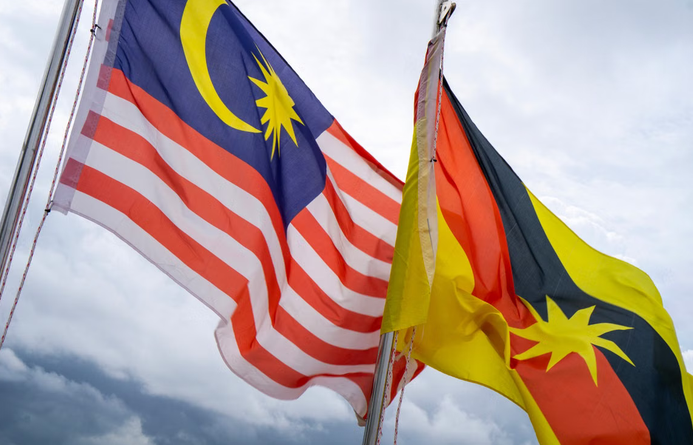
Sabah offers a useful reminder that Malaysian politics is not controlled by one political script. National parties bring established machinery and recognizable names. Still, local parties can concentrate heavily on regional priorities and state-specific concerns. The 2025 election made that dynamic hard to ignore. GRS emerged with the largest number of seats, Warisan remained a major force, and national parties had a much smaller presence in the final assembly. The bigger lesson is simple: to understand Sabah politics, you have to understand Sabah itself.